
\n\n\n\n\n\n\n
Location: Mangalore, India We Ship All Over India
Board CareAll Surfers4 min read

When a Ding Needs Repair

A ding needs attention when the outer shell is cracked, punctured, soft, lifting or allowing water into the board. Dry the board and seek a repair appropriate to its construction before surfing it again.

Quick read

Three things to know

The essentials before you continue.

  1. 01Water entry makes a small ding more serious.
  2. 02The correct repair depends on construction.
  3. 03Uncertain structural damage should be assessed professionally.
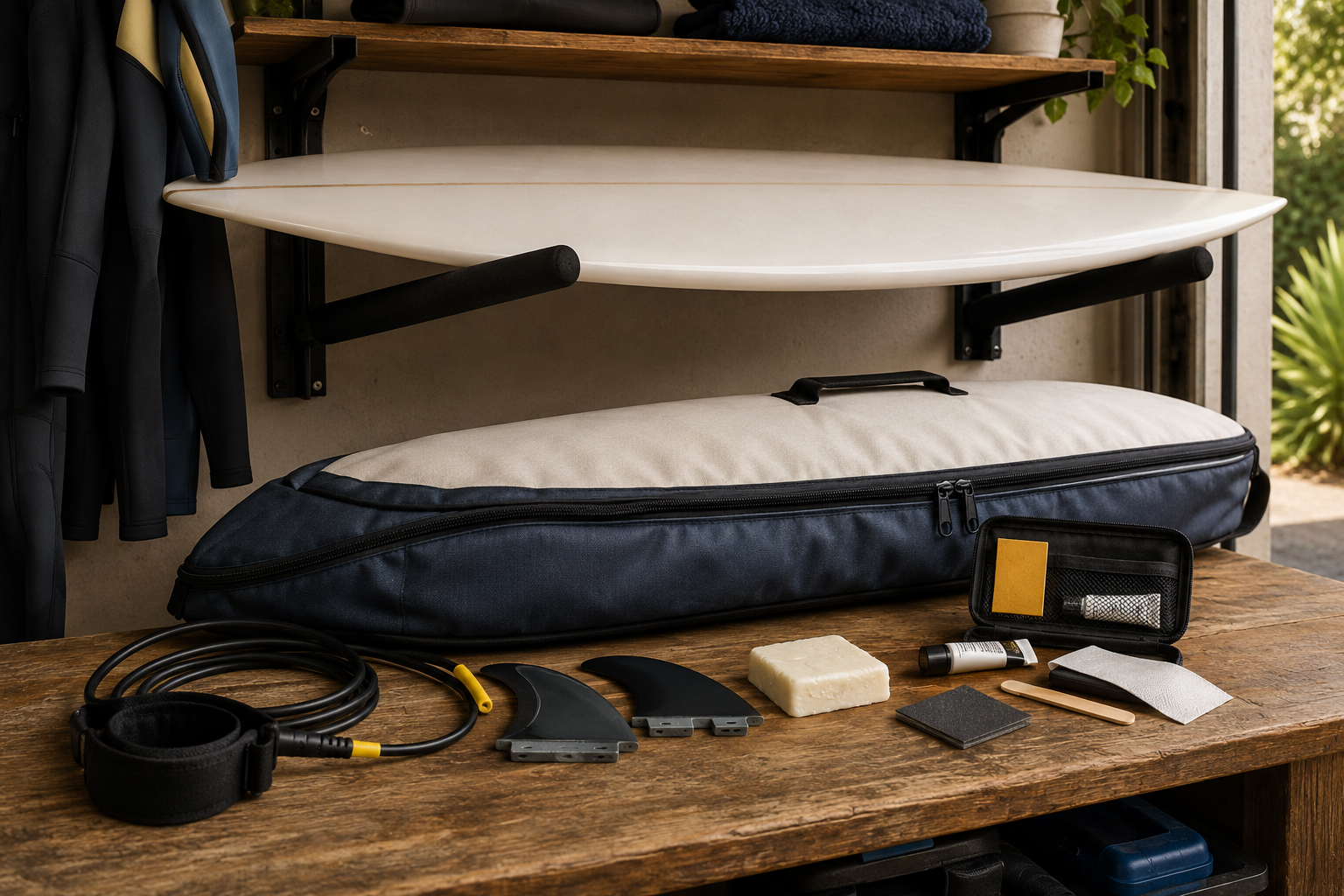
Default guide image for When a Ding Needs Repair. Replace using the Featured Image panel.

Look for an open shell

Cuts, cracks, punctures and crushed areas can allow water into the board. Pressing repeatedly on damaged foam can make the problem worse, so inspect gently.

Check stressed fittings

Fin boxes, leash plugs and areas around previous repairs deserve close attention. Movement, cracking or discolouration can indicate a problem beyond a surface scratch.

Know the construction

Repair products are not interchangeable across all surfboard constructions. Identify the board’s materials and follow the manufacturer or repairer’s guidance before applying resin or filler.

When to use a professional

Large impacts, soft areas, damaged boxes, lifting skin or uncertain water entry are sensible reasons to seek professional assessment. A temporary seal is not the same as a structural repair.

What this means for a beginner

Do not cover an unknown crack and immediately return to the water. First identify whether the shell is open and what the board is made from.

What this means for a progressing surfer

Inspect high-stress areas such as fin boxes, leash plugs and rails regularly, especially after impacts.

Common mistake to avoid

Using incompatible repair material or sealing moisture inside the board.